Treated by Dr. Surya Sri Krishna Gour
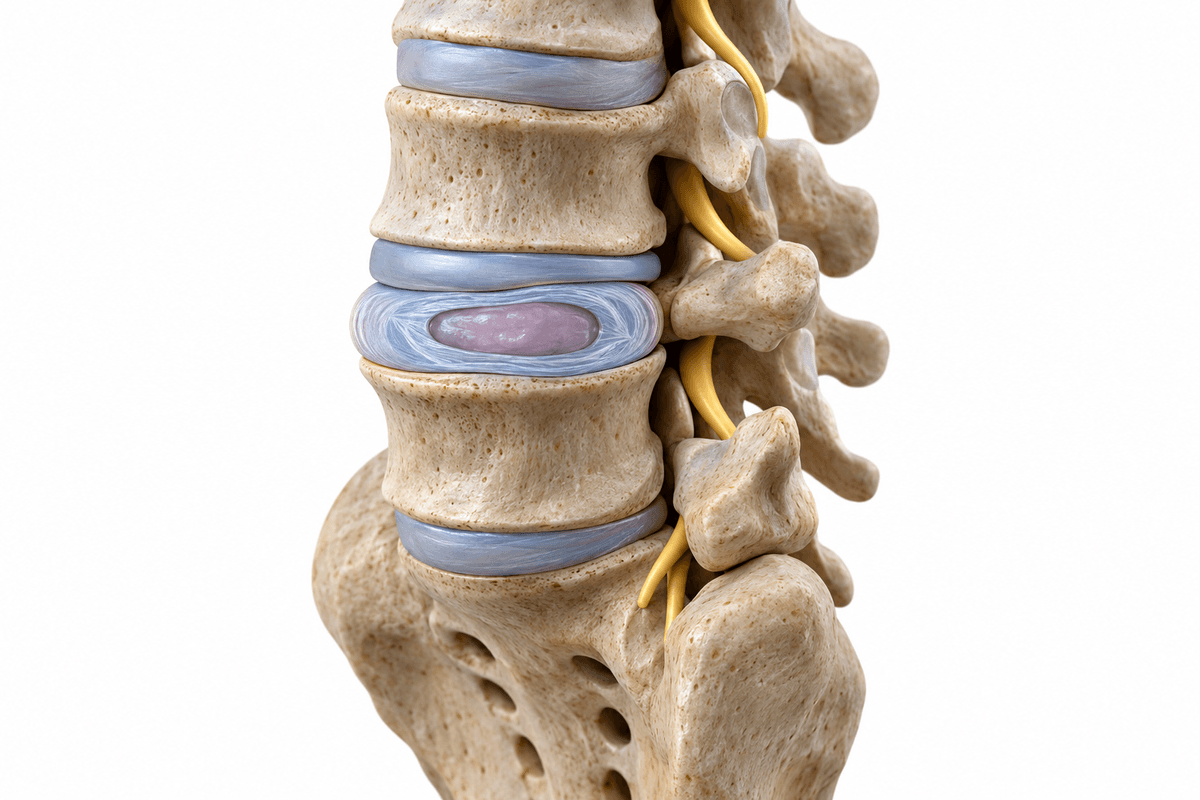
A lumbar disc problem occurs when one of the soft cushions (discs) between the bones in your lower back becomes damaged, bulges out, or wears down. This can press on nearby nerves and cause pain in your lower back, buttocks, or legs. Dr Surya Sri Krishna Gour evaluates each patient carefully to determine the cause and recommend treatment that matches the individual's condition.
The disc pushes outward but its outer covering remains intact. This is common and may or may not cause symptoms.
The inner gel-like material breaks through the outer layer of the disc and may press on a nerve, often causing leg pain or sciatica.
The disc loses height and cushioning ability over time due to wear and tear, which can lead to back pain and stiffness.
Multiple factors can contribute to the development and progression of this condition.
Recognising the signs early gives you more treatment options.
Assessment begins with your medical history and a physical examination to check your back movement, strength, sensation, and reflexes. Imaging studies help confirm the diagnosis and guide treatment planning, though not every patient requires all tests.
From conservative to surgical — we always start with the least invasive option first.
A structured, patient-first approach from first visit to full recovery.
Dr Surya Sri Krishna Gour takes a thorough history and performs a complete neurological examination to understand which nerves are affected and the severity of your condition.
MRI or other scans are reviewed carefully to locate the disc problem and determine how much it is affecting the nerves.
A treatment plan is discussed with you, starting with conservative options and considering procedures only if clinically appropriate.
Follow-up appointments monitor your progress and adjust the treatment approach as needed to support your recovery.
What to expect at each phase of recovery.
Pain and inflammation often begin to settle with rest, medication, and activity modification. Timelines vary depending on the severity and individual response.
Physiotherapy strengthens the back and helps prevent recurrence. This phase can take several weeks to months, with gradual return to normal activities.
Long-term habits such as regular exercise, proper lifting techniques, and posture awareness help protect the spine and reduce the risk of future problems.
Many patients experience significant relief of leg pain and nerve symptoms with appropriate treatment, though back pain may persist in some cases.
The goal is to restore your ability to perform daily activities and work. The extent of recovery depends on the severity of nerve damage and individual factors.
Disc problems can recur, especially without lifestyle modifications. Maintaining back strength and avoiding injury are important for long-term health.
In cases where nerve damage has been prolonged or severe, some numbness or weakness may persist despite treatment.
Without treatment, a lumbar disc problem can lead to worsening pain and nerve symptoms that interfere with daily life. Prolonged nerve compression may cause permanent weakness or numbness in the leg. In rare cases, severe disc herniation can result in loss of bowel or bladder control, which requires urgent medical attention.
You should seek medical advice if you have persistent lower back pain with leg pain, numbness, or weakness that does not improve with rest. Immediate evaluation is needed if you experience sudden loss of bowel or bladder control, severe weakness in the legs, or numbness in the inner thighs or groin area.
Early treatment means more options and better outcomes. Book a consultation to understand your condition and explore the right path forward.